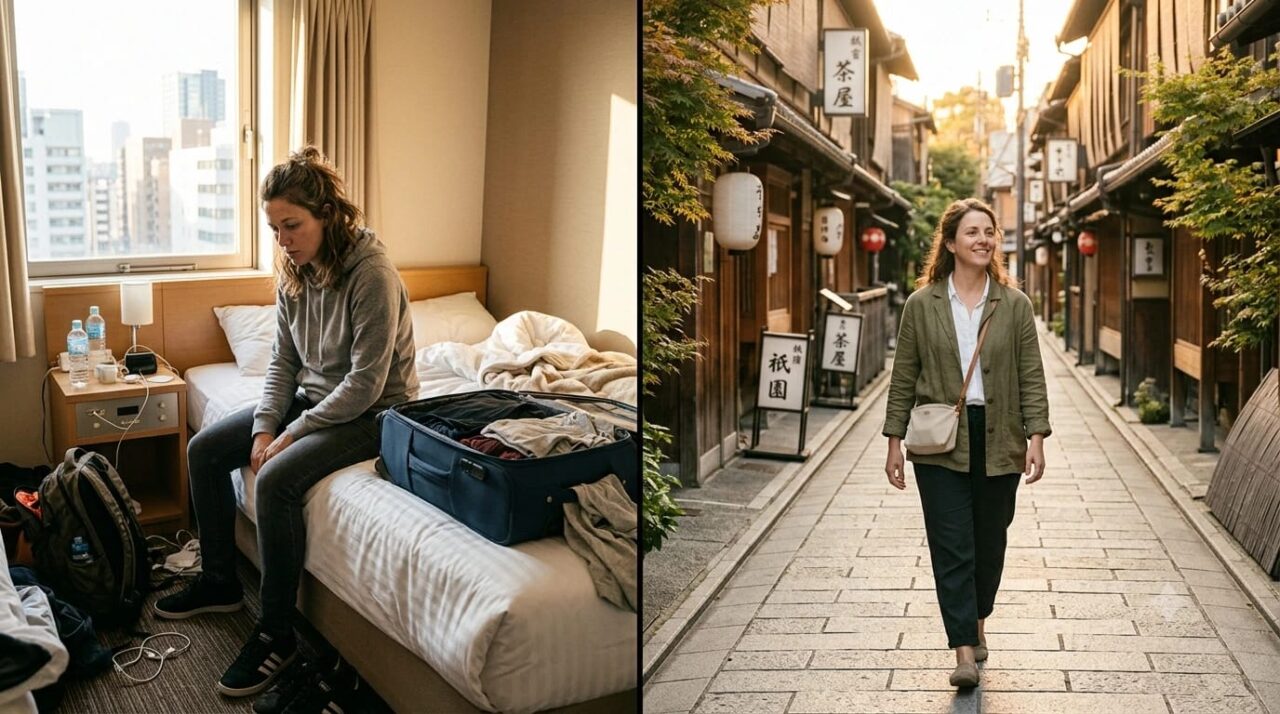
The Traveler I Was Born to Be
If you know an average middle-class Indian, you’d know how they like to make the best use of resources on a trip. And if they’re traveling abroad, they want to cover everything they can without missing out on anything. They treat their itinerary like a checklist to be followed line by line — book the flights, list the sights, tick them off one by one. I’m no different, born with the same genes, unfortunately. For years, that’s exactly how I traveled too.
The Trip That Made Me Sick
So, I did. I went to Australia with my husband for our honeymoon. It was a 10-day trip, already longer than it should have been. And for all 10 days, we wanted to start early, cover as many places as we could, and return to our hotel room only late at night. Trust me, Australia is a huge country with endless things to see and explore
We split the trip across Melbourne, the Gold Coast, and Sydney — three days each, with Sydney saved for last. And well, well — Sydney welcomed me with a bang, as I fell sick with food poisoning. I still can’t tell for sure if it was something I ate, exhaustion, or a combination of both, but I felt pathetic. First day in that beautiful city, and I couldn’t get off the bed. I spent most of it staring at the ceiling of our hotel room, thinking about how I should have done things differently, rather than the harbor we’d flown across the world to see.
The Trip That Set Me Free
Cut to about 9 months later, when we went to Japan. This time we planned an 8-day trip with 3 cities in mind: Osaka, Kyoto, and Tokyo. We began in Osaka, giving it just a day, enough for Osaka Castle and a walk through Dotonbori’s food street, before moving on to Kyoto, where we wanted to spend most of our time. This time, we didn’t divide equal days across cities: we allotted days based on how many attractions each place had, so we wouldn’t have to rush or lose sleep trying to see it all.
Japan in July was unbearably hot, so there was no way we could explore outdoors during the day, and thankfully we didn’t force ourselves to. Instead, we pivoted to air-conditioned spaces during peak heat hours, and saved the rest for once the sun felt gentler on the skin. That worked perfectly well for us. We weren’t trying to squeeze every rupee’s worth out of each place — and we saw plenty of tourists getting heat stroke by trying to. We got spared, just by shifting the plan slightly.
After 3 days in Kyoto, we went to Tokyo for the last part of our trip, and the place was spectacular. We chose to stay in an Airbnb so we could wash our clothes, since we were traveling with a limited number of clothes — we didn’t want heavy suitcases, knowing how much walking Japan involves. We also wanted to shop and bring things back, so we intentionally packed half-empty suitcases
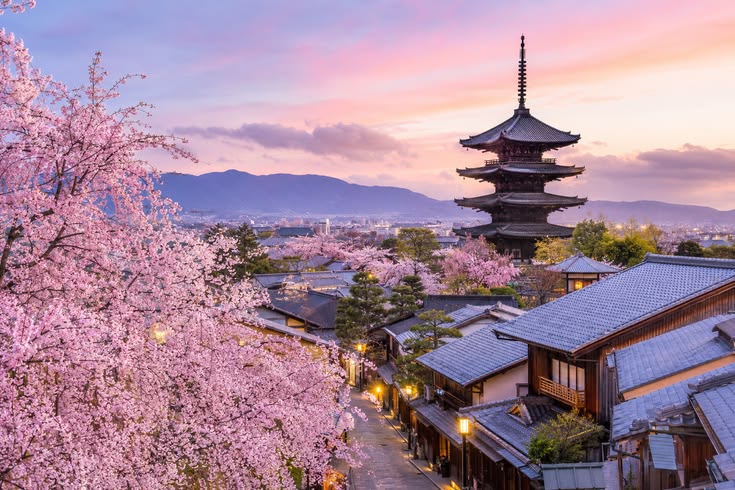
Two Trips, Two Very Different Recoveries
At a concrete level, our strategy changed — from trying to explore everything to saving time for relaxation and actually enjoying the quiet of a place. And it showed in how we felt at the end of each trip. After Australia, we both felt exhausted — like we needed another break just to recover from the trip itself, which felt like a strange kind of failure for a vacation. Japan, on the other hand, didn’t leave us exhausted, despite walking an average of 20k steps a day. If anything, we landed back home ready to jump back into work the next morning, not needing a week to recover from our own holiday.
What Slow Travel Actually Means
Use the itinerary as a plan, not a manual to be followed to the letter. It’s okay to skip a less interesting place to spend more time in one you love. But burning yourself out to see it all isn’t wise. You may or may not visit the same place twice — but you should remember it in fondness, not in sickness. To be honest, slow travel isn’t fewer places. It’s fewer things per place.
Leave a Reply