
On 7 October, my family WhatsApp group went quiet for about ten minutes, which never happens. Then my cousin, who took a home loan last year, wrote: “So… is my EMI going up?”
Fair question. The RBI raised the repo rate by 0.25%, from 5.25% to 5.50%, the first hike since February 2023. If you’ve spent the last few years hearing only about rate cuts, it can feel like the ground shifted a little.
Here’s a short analysis of what the repo rate hike and home loan EMI change really looks like in rupees, what it means for your FDs and SIPs, and what may come next. What you strongly need to know is: it’s manageable, and there’s plenty you can do.
TL;DR
- The repo rate is now 5.50%, up 0.25%. The RBI has called its stance “calibrated tightening.”
- On a ₹50 lakh, 20-year floating-rate loan, this adds roughly ₹780 a month.
- Existing FDs don’t change. New FDs may pay a little more over time.
- Keep your SIP going. Markets are bumpy, but this is the kind of time SIPs are built for.
- The next RBI meeting is 2–4 December 2026. Another hike is possible, so avoid big moves until then.
Why the RBI did it
Inflation is expected to run higher this year (the RBI projects about 5.2% for FY27, touching 6.0% in October–December), while growth is holding at around 7.1%. Crude oil above $100 and a rupee near ₹95 to the dollar haven’t helped. So the RBI chose to press the brakes gently. It’s a sign of an economy that is growing, with a central bank keeping a careful eye on prices.
What Happens to My Home Loan EMI?
Most home loans taken after October 2019 are linked to the repo rate (called EBLR, RLLR or RBLR, depending on the bank), so rates reset upward. Banks moved within days: SBI’s EBLR is now 8.15%, PNB’s RLLR 8.35%, Bank of Baroda’s 8.15%.
Here’s a worked example on a ₹50 lakh, 20-year loan:
| Before (8.00%) | After (8.25%) | |
| Monthly EMI | ₹41,822 | ₹42,603 |
| Extra per month | ₹781 | |
| Extra interest over 20 years | about ₹1.9 lakh |
If your bank keeps the EMI the same, the loan simply runs about 12 months longer. And if another 0.25% arrives in December, the EMI would be around ₹43,391.
That’s real money, but it’s under 2% of your EMI. A few gentle steps help:
- Ask your bank what it did. Many quietly stretch the tenure instead of raising the EMI. As I understand RBI’s framework, you generally get a say (higher EMI, longer tenure, or a switch to fixed), but please confirm the options with your lender.
- Prepay a little when you can. A bonus or Diwali gift towards principal saves more interest than it feels like it should. If you’re still weighing the bigger housing decision, I wrote about it in Rent or Buy: Getting the Housing Sorted in 2026.
- If your loan is MCLR-linked, you may not feel anything until your yearly reset date.
What About My FDs?
Good news first: your existing FD stays exactly as it is until maturity. Please don’t break it because of a headline.
New FD rates should drift up, though banks are usually slower to raise deposit rates than loan rates. SBI’s chairman has said it could take two to three months. Right now, one-to-two-year FDs at large banks pay around 6.45–6.65%, and some small finance banks pay 7–8% or more.
A simple way to be ready: ladder your FDs. Split money across 6-month, 1-year and 2-year deposits so each maturing one can be renewed at better rates. And if you try a small finance bank for the higher rate, remember deposit insurance covers ₹5 lakh per depositor per bank, so spread it out.
What About My SIP?
Your SIP isn’t hurt by the rate hike itself, though you may see some wobble.
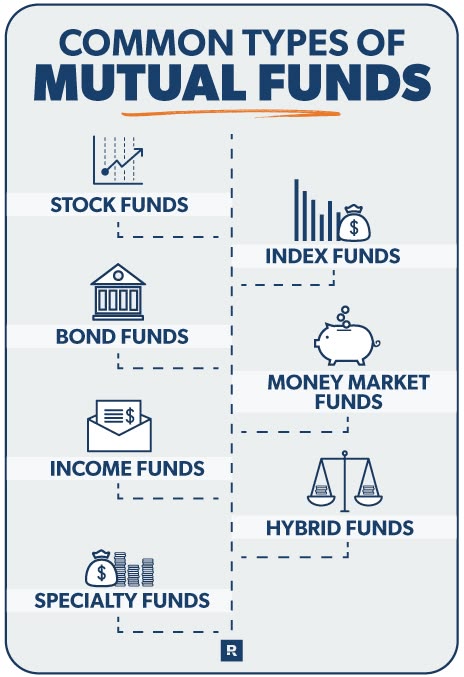
- Debt funds: When rates rise, long-duration funds can dip on paper. Short-duration and floating-rate funds are much less affected. If your SIP is in a long-duration fund, check that you know why you are holding it.
- Equity funds: The Nifty is about 13% below its January record (around 22,936 after the 29 October rebound). That’s a correction, not a crash, and falling prices mean your SIP buys more units for the same money.
My suggestion is the boring one: keep it running, and step it up by 10% at your next increment. The Psychology of Money says wealth comes more from behaviour than brilliance, and staying invested through uncomfortable years is most of the job. If you’d like a calm place to start, What I Wish Someone Told Me About Money is the post I’d send a friend.
Have We Been Here Before?
Mostly yes, with a twist. History doesn’t repeat, but it does rhyme.
- 2022–23: The RBI took the repo rate from 4% to 6.50% in under a year. On the same ₹50 lakh loan, that kind of rise lifts the EMI by roughly 20%. Markets were choppy in 2022 and then recovered. Today’s single step is far gentler.
- 2010–11: There were 13 hikes (4.75% to 8.50%) because inflation was stubborn, and the Sensex fell about 28% before recovering. That’s the sobering one: cycles can run longer than we’d like.
- 2018 and 2022 market dips of about 14–15% both recovered within months in 2018 and by late 2022 for the 2021–22 fall.
What’s new this time is the mix: oil above $100, a weak rupee, foreign selling and rising US rates arriving together. What’s reassuring is that domestic investors, including the SIPs people like us run every month, are cushioning the fall far more than in 2008. Domestic institutions bought roughly ₹64,000 crore in September alone.
Every one of those episodes ended. None of them stayed down for good.
What May Come Next!!
I can’t tell you what the December meeting will do, and neither can anyone else. The RBI has signalled that cuts are off the table for now, and one more hike is possible. If inflation cools, the pause could come sooner. If crude stays high, rates may stay higher for longer. Both are real possibilities.
So the plan is to prepare calmly, not predict. Here is mine:
- Check your loan: rate, EMI and tenure.
- Start (or tidy) an FD ladder.
- Keep your SIP going, and nudge it up a little.
- Keep money you’ll need within 3 years out of equity, and hold six months of expenses as an emergency fund.
- Stagger any lump sum over 6–12 months rather than investing it all at once.
- Avoid borrowing to invest. Money is costlier right now.
You don’t need to do all of it this week. One small step is enough.
FAQ
Will my home loan EMI go up after the RBI repo rate hike?
If your loan is linked to the repo rate, your rate resets upward. Your bank may raise the EMI or extend the tenure. On a ₹50 lakh, 20-year loan, 0.25% adds about ₹781 a month, or about a year of extra tenure.
Should I break my FD to get a higher rate?
Usually not. Your FD continues at its locked rate, and the early-withdrawal penalty often eats most of the gain.
Should I stop my SIP because of the rate hike?
No. SIPs work best through bumpy periods. If anything, consider stepping it up.
Will rates go up again?
It’s possible. The RBI meets next on 2–4 December 2026, and the outcome isn’t knowable in advance.
Leave a Reply